Home › Asphalt Pathways, Sidewalks, and Trails
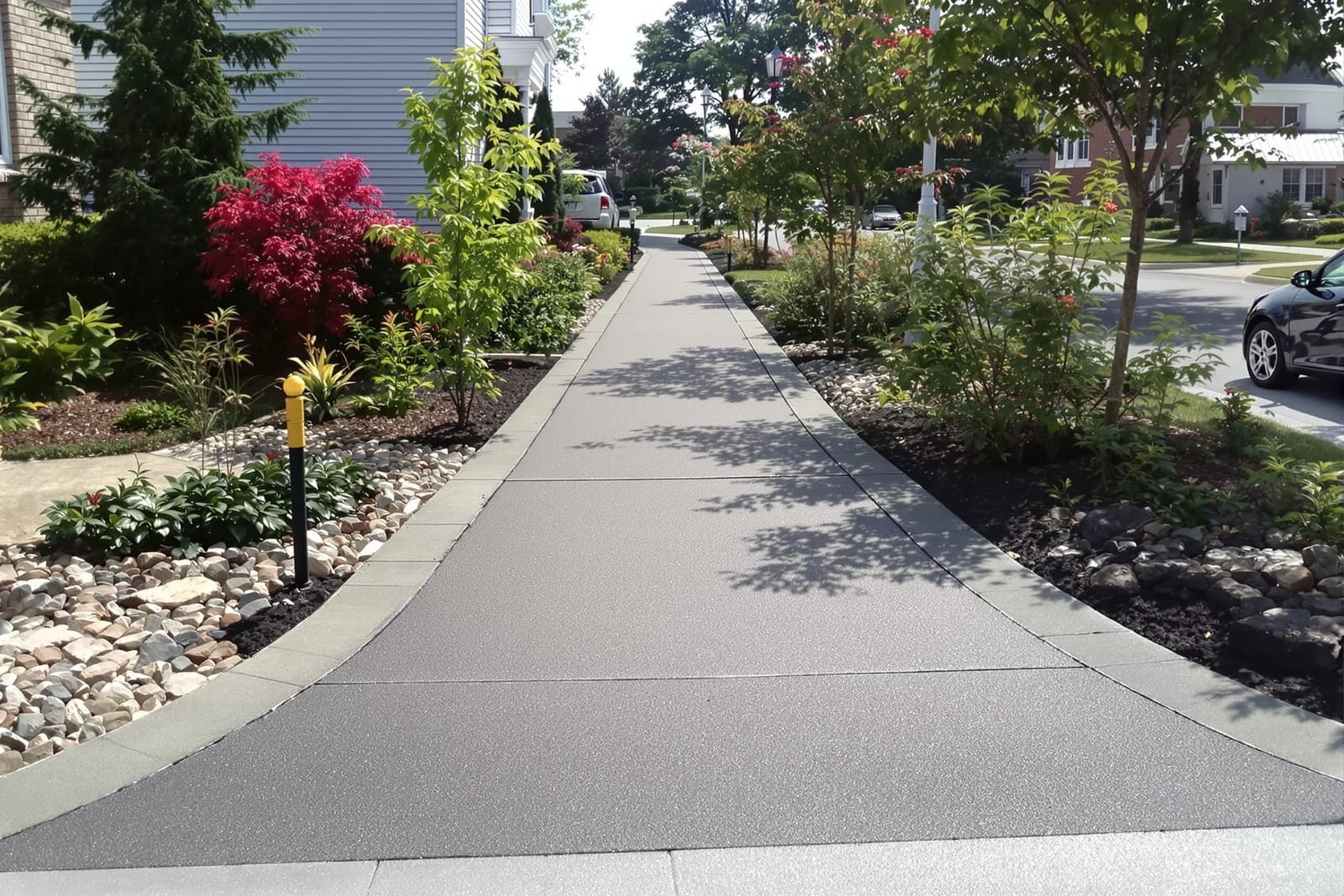
We build asphalt sidewalks in Tucson, AZ for campuses, parks, HOA communities, and commercial sites. Our smooth paths and trails are ideal for pedestrians, strollers, and bicycles, offering a cost effective alternative to concrete. From straight connector walks to winding recreational trails, we deliver accessible, low maintenance routes.
Prestige Asphalt Tucson provides professional asphalt sidewalks throughout Tucson, AZ and the surrounding area. Our licensed, insured crew delivers safe, clean, on-time work with a free estimate before anything begins. Call (520) 462-7505 or request your free quote.
Asphalt sidewalks, pathways, and trails tailored to Tucson
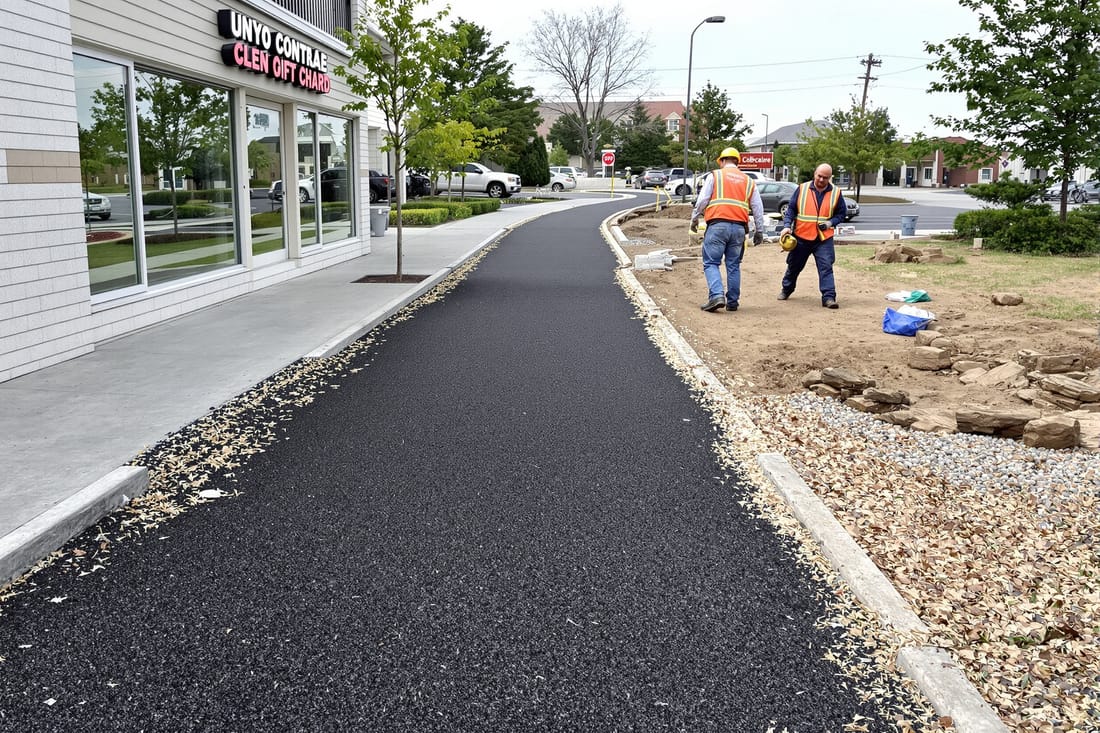
Prestige Asphalt Tucson designs and installs asphalt sidewalks, pathways, and multi‑use trails that hold up to Tucson’s intense sun and sudden monsoon storms. We focus on projects for HOAs, apartment and condo communities, schools, churches, business parks, and municipalities that need durable, clean, and ADA‑friendly walking routes.
Instead of a one‑size‑fits‑all approach, we look at how each walkway will be used. A quiet residential sidewalk that sees dog walkers and kids on scooters is built differently than a shared asphalt trail used by cyclists, joggers, and maintenance vehicles. During our site visit, we walk the route with you, identify pinch points, drainage issues, and visibility concerns, then recommend a thickness and mix design that fits both use and budget.
Because Tucson soils vary from sandy to caliche in just a few yards, we pay close attention to subgrade support. This is critical on narrow asphalt sidewalks and pathways where edge support is limited. If the base is not right, edges ravel, surfaces crack, and trip hazards form. Our crews are trained to spot these issues before we pave, not after you start getting complaints.
Planning and design for safe, comfortable walkways
Effective asphalt sidewalk and trail projects start long before the first load of asphalt arrives. Prestige Asphalt Tucson begins with layout and grading plans that fit your property and existing structures. We look at cross slopes for ADA compliance (typically 2 percent or less), tie‑ins to existing concrete ramps, and how pedestrians actually move through your site.
We also analyze drainage. In Tucson, intense but short cloudbursts send water across paths at high speed. If the asphalt sidewalk is too low or flat, water will pond, soften the base, and lead to premature cracking. We set grades to shed water to landscaping or existing drainage structures and, when necessary, recommend adding small swales, valley gutters, or catch basins.
Lighting, visibility, and safety also factor into design. For multi‑use asphalt trails, we recommend wider sections (often 8 to 12 feet), gentle curves, and clear sight lines around corners. Where walkways cross drive lanes or parking lots, we can incorporate raised asphalt crosswalks or textured approaches to slow vehicles and highlight pedestrian priority.
How we build asphalt sidewalks, step by step
Our construction process is structured to give narrow asphalt pathways and sidewalks the same care we give full parking lots, with adjustments for their unique needs.
1) Layout and excavation: We mark the exact alignment, widths, and elevations. Existing gravel, turf, or failing concrete/asphalt is removed to the required depth. In Tucson, this often means cutting through compacted decomposed granite or caliche, which we break up with the right equipment so it can be shaped and compacted.
2) Subgrade preparation: We compact the native soil with plate compactors and rollers to reach a uniform, firm surface. Soft spots are undercut and replaced with aggregate base. This is especially important along the edges of pathways, since there are no curbs to help hold the asphalt in place.
3) Base installation: We typically install 3 to 6 inches of compacted aggregate base for standard sidewalks, and more for multi‑use trails or maintenance‑vehicle access. Material is spread, graded, then compacted in lifts, with slope checked so water will drain off the finished asphalt.
4) Asphalt paving: We use hot mix asphalt suited to Tucson heat, usually a finer mix for smoother walking surfaces. Depending on expected use, sidewalks may be 2.5 to 3 inches compacted thickness, and trails 3 to 4 inches or more. We place the mix with a paver where access allows or by hand in tighter areas, then compact it promptly to lock the surface together.
5) Joints, transitions, and edges: Tie‑ins to existing concrete ramps or pads are cut clean and feathered for a flush transition. Exposed edges of asphalt sidewalks and trails are compacted and shaped to reduce chipping and raveling. In some locations we recommend concrete or steel edge restraints or adjacent header curbs for added stability.
6) Striping and markings: If the trail will be shared by pedestrians and cyclists, we can add centerlines, arrows, and symbols after the asphalt cures. High‑visibility markings at crossings improve safety and help guide traffic.
Material options, finishes, and aesthetics
A walkway can be practical and still look intentional. Prestige Asphalt Tucson offers several options to tailor the appearance and performance of your asphalt sidewalks and trails.
Standard hot mix asphalt is the most cost‑effective option and works well for most HOAs, schools, and commercial properties. For high‑profile pathways, such as apartment community loops or entry sidewalks, we often recommend a colored sealcoat. While the asphalt itself stays black, the sealcoat can be tinted to a darker brown or other approved color to soften glare and better blend with desert landscaping.
For higher grip surfaces, especially on slopes, we can specify mixes with more angular aggregate, then apply a textured sealcoat. This creates additional traction without leaving a harsh or uneven surface for walkers, strollers, or wheelchairs.
Where roots from mesquite, eucalyptus, or palo verde trees are a concern, we may modify the section by thickening base and asphalt and recommending root barriers. Planning this before construction can preserve both your trees and your asphalt sidewalks, instead of forcing you to choose between the two later.
We also coordinate with landscape plans, irrigation, and lighting. It is more efficient and less costly to rough in conduit sleeves or irrigation crossings before paving. We work with your other contractors so you do not end up cutting a brand‑new pathway to add utilities.
What affects cost and how to budget in Tucson
Several specific factors drive the cost of asphalt sidewalks, pathways, and trails, and understanding them helps you budget more accurately.
Access: Narrow gates, tight courtyards, or steep slopes may prevent us from using standard pavers and rollers. When pathways can only be built with smaller equipment and more handwork, labor hours go up. During our site visit, we look at how trucks and machines can reach each section of the work.
Thickness and base: A simple residential sidewalk that only carries foot traffic can often use a lighter section than a multi‑use trail that sees golf carts or maintenance vehicles. In Tucson, it rarely pays to undersize the section. Slightly thicker asphalt and base cost a little more up front and often avoid early failure from heat and heavy monsoon events.
Site conditions: Soft soils, poor drainage, or existing failed surfaces that must be removed will add to the scope. We probe the area to identify problem spots and include them in the proposal so you are not surprised by change orders later.
Timing and phasing: Tucson’s paving season is busiest from late September through April, when temperatures are ideal and monsoon risk is low. Scheduling your project outside of peak dates or allowing flexible phasing can sometimes improve pricing. For schools and busy complexes, we can phase work around key dates to keep portions of sidewalks and entries open.
Finishes and extras: Colored sealcoats, striping, signage, and edge restraints are optional, but they influence cost. We itemize these in our proposals so you can decide where upgrades make sense.
Common pathway problems and how Prestige Asphalt Tucson prevents them
Most issues we are called to repair on Tucson asphalt sidewalks and trails could have been avoided with better planning and construction. Our crews are trained to prevent these problems rather than just patch them later.
Edge cracking and unraveling: Narrow paths often suffer from edge failures where base is thin or soil is soft. We extend and compact base beyond the final asphalt edge and compact edges thoroughly. Where necessary, we recommend adjacent curbing or header boards to support the pavement.
Heaving and cracking from tree roots: Popular desert trees can lift and crack asphalt over time. We identify trees along the alignment and discuss options like minor route shifts, root barriers, or reinforced sections. If an existing path is already damaged, we sawcut localized areas, adjust the base, and rebuild them instead of just overlaying and repeating the problem.
Trip hazards from settlements: Poor compaction or water infiltration under the path can cause dips. We compact subgrade and base in multiple passes and shape the area so water leaves the surface quickly. In areas that stay damp after storms, we may recommend additional drainage improvements, even if that adds modest cost, because it greatly extends pavement life.
Surface wear, fading, and ruts: Tucson UV exposure dries out asphalt binders and accelerates raveling. For busy pathways and trails, we often propose a sealcoating cycle, usually every 3 to 5 years depending on use, to protect the surface and keep it smooth and attractive.
What to expect when you hire Prestige Asphalt Tucson
Working with Prestige Asphalt Tucson starts with a site meeting where we walk your current or planned pathways, listen to how they will be used, and gather measurements and grades. Within a short time, we provide a written proposal that details thicknesses, materials, and specific repair or construction steps so you know exactly what you are paying for.
Before work begins, we coordinate traffic control, access, and communication with your residents, tenants, or staff. For occupied communities, we segment the project so that key sidewalks and entries remain open or clearly detoured, minimizing disruption.
During construction, a foreman is on site to manage layout, base work, and paving, and to address any surprises, such as soft spots or previously hidden irrigation lines. We adjust in the field as needed but keep you informed before we make cost‑affecting changes.
Once paving is complete, we schedule any striping, sealing, and cleanup. We walk the finished asphalt sidewalks and trails with you to confirm that slopes, transitions, and details match the plan. Finally, we provide care guidelines, including when to reopen paths to foot traffic, how to handle early spills or stains, and when to consider your first sealcoat.
For HOAs, property managers, and facility directors in Tucson, our goal is to build asphalt pathways, sidewalks, and trails that function safely in the desert climate and stay attractive for many years with a practical maintenance routine.