Home › Gravel-to-Asphalt Conversions
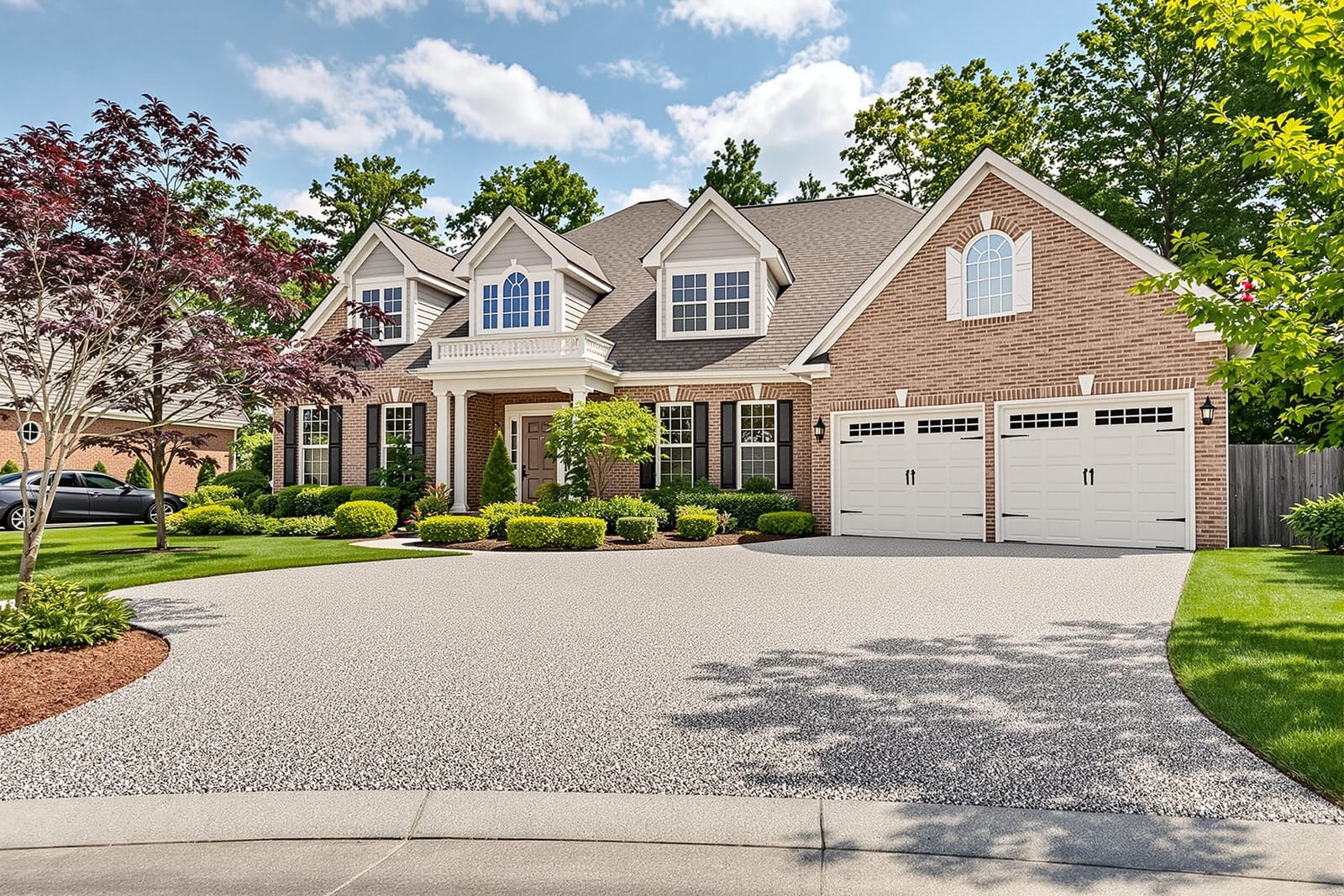
We specialize in gravel to asphalt conversion in Tucson, AZ so you can enjoy a cleaner, smoother driveway with less dust and mud. Our team regrades the base, addresses drainage, and installs new asphalt over or in place of existing gravel. The result is a more comfortable drive, easier maintenance, and a sharper looking entrance to your home.
Prestige Asphalt Tucson provides professional gravel to asphalt conversion throughout Tucson, AZ and the surrounding area. Our licensed, insured crew delivers safe, clean, on-time work with a free estimate before anything begins. Call (520) 462-7505 or request your free quote.
Turn Your Dusty Drive Into a Solid Asphalt Surface
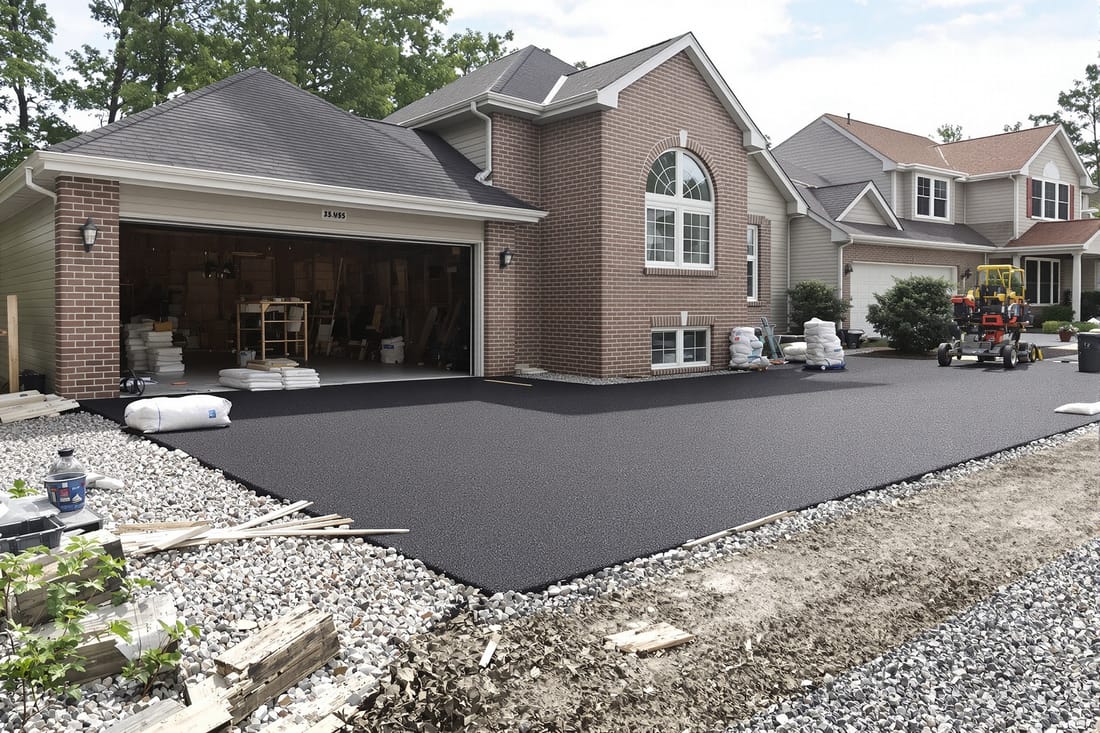
If you are tired of tracking dust into the house or fighting ruts every monsoon, a gravel to asphalt conversion can be a big upgrade for your Tucson property. Prestige Asphalt Tucson focuses on taking existing gravel driveways, parking areas, and private roads and turning them into clean, solid asphalt surfaces that hold up to our desert heat.
Compared to gravel, asphalt gives you a smoother drive, less dust, and far better drainage control when the summer storms hit. It also makes snowbird arrivals and daily use easier because you are not regrading after every rain. For many Tucson homeowners and small commercial properties, converting gravel to asphalt also helps with city expectations, ADA access, and property value.
The key thing to know is that a good conversion is much more than just putting asphalt on top of gravel. We start by figuring out if your existing base is strong enough. Gravel that has been loosely spread for years is not the same as a compacted road base. When Prestige Asphalt Tucson does this work, we treat your old gravel as a starting material, then rebuild the structure under your new asphalt so it will not crack or sink in one or two summers.
How Prestige Asphalt Tucson Actually Converts Gravel To Asphalt
A durable gravel to asphalt conversion happens in planned stages. First, we walk the site with you. We look for soft spots, standing water after irrigation, visible utilities, and access for paving equipment. In Tucson, we also pay attention to how water flows during monsoon season, because that decides where we cut in swales or add extra base.
Next, we strip off loose gravel and organic material. If the top layer is too loose, we blade it off and stockpile it, which we can reuse as part of the base or haul away. We then shape the subgrade, which is the native soil under your gravel. On sandy or decomposed granite soils common here, we may need to moisture-condition the subgrade and compact it in several passes with a vibratory roller.
After the subgrade is solid, we rebuild the base. For most residential driveways in Tucson, we install 3 to 6 inches of aggregate base (AB or ABC), often reusing your existing gravel after screening and blending. The thickness depends on soil conditions, vehicle weight, and whether you have RVs or delivery trucks using the surface.
Once the base is shaped to the right slope and compacted to spec, we pave with hot mix asphalt from a local Tucson plant. Residential driveways usually get 2 to 3 inches of asphalt after compaction. Light commercial lots may need 3 to 4 inches or a two-lift system. We roll the surface several times to lock the aggregate in place and achieve a smooth, tight finish. Edges are trimmed, transitions to existing concrete or street asphalt are feathered in, and we can add striping for small lots after the asphalt has cooled.
Design Choices That Matter For Tucson Properties
A gravel to asphalt conversion is a good time to correct problems you have lived with for years. Prestige Asphalt Tucson often adjusts driveway width, flares entries at the street, and adds parking pads before paving so the final layout actually fits your vehicles and trailers.
Slope design is especially important here in Tucson. We typically build at least a 2 percent cross slope so water runs off the asphalt instead of sitting on it. Where water naturally flows toward garages or carports, we may add shallow swales, valley gutters, or direct runoff to a landscape area. This helps protect both your new asphalt and your structures.
You also have choices in mix and appearance. For most residential projects we use a standard hot mix that balances cost and durability. For heavier use or areas that get a lot of turning traffic, such as at gates or near dumpsters, we may recommend a mix with a higher asphalt binder content and a slightly smaller aggregate, which resists raveling under heat and turning pressure.
If a jet-black look is important, we can plan for sealcoating about 3 to 6 months after the conversion. Sealcoat is not applied right away because fresh asphalt needs time to cure in the Tucson sun. Later, sealcoating helps lock in the surface fines and slows down oxidation from our high UV levels.
Costs, Timing, And Local Weather Considerations
Most gravel to asphalt conversions in Tucson price out based on area, base depth, and how much repair your subgrade needs. A simple straight driveway with a firm, well-drained gravel base costs less per square foot than a winding drive with soft sections, heavy truck traffic, or drainage issues that need correction. Removing and hauling excess gravel or old broken asphalt can also affect cost.
At Prestige Asphalt Tucson we explain exactly where the money goes: base preparation, base material, asphalt thickness, and any extras such as concrete collars, culverts, or transitions to existing paved areas. We often give options, for example, a standard design for light use and a heavier design if you know you will be parking work trucks or RVs.
Weather timing matters in Tucson. We avoid paving in active monsoon storms or when overnight temperatures drop too low in winter, because asphalt cools too fast and will not compact correctly. Spring and fall are usually ideal, but we pave successfully through much of the year as long as conditions allow proper compaction. If rain threatens on your scheduled day, we would rather reschedule than risk trapping moisture in your new base or asphalt.
Expect some disruption while work is underway. Access to your driveway or lot will be limited for at least one day while we prep, then another while we pave. After paving, vehicles typically need to stay off the new asphalt for 24 to 48 hours, depending on temperatures. We will walk you through exactly when you can drive, park, and turn wheels on the new surface.
Common Problems With Gravel Conversions And How We Prevent Them
Customers in Tucson are often worried about a few recurring issues when converting from gravel to asphalt. The most common are: rutting where vehicles always park in the same place, cracking from the summer heat, and low spots where water collects after monsoon storms. Prestige Asphalt Tucson addresses each of these during design and construction, not after they show up.
To prevent rutting and depressions, we focus on base thickness and compaction in the wheel paths. If you have heavy vehicles, we may slightly increase base depth or asphalt thickness in those areas. We compact in multiple passes and test the base before paving, because once asphalt is down, the base cannot be compacted further.
For heat-related problems like early cracking or surface raveling, we use local mixes that are designed for Southern Arizona temperatures. We also avoid paving when the ground or air is too cold so the asphalt has time to densify under the roller. Proper joint construction where new asphalt meets old is another important detail that prevents early cracking along the seam.
Drainage is handled with grading, not just hoping the asphalt sheds water. During a gravel to asphalt conversion, we often correct long-standing low spots by cutting down high areas and building up low ones with base material. If there is a known problem area where monsoon water runs across your drive, we may suggest a shallow dip (v-ditch) or a small culvert under the drive so water has a controlled path. These small changes go a long way toward keeping your new asphalt surface sound for many years.