Home › Asphalt Resurfacing & Overlays
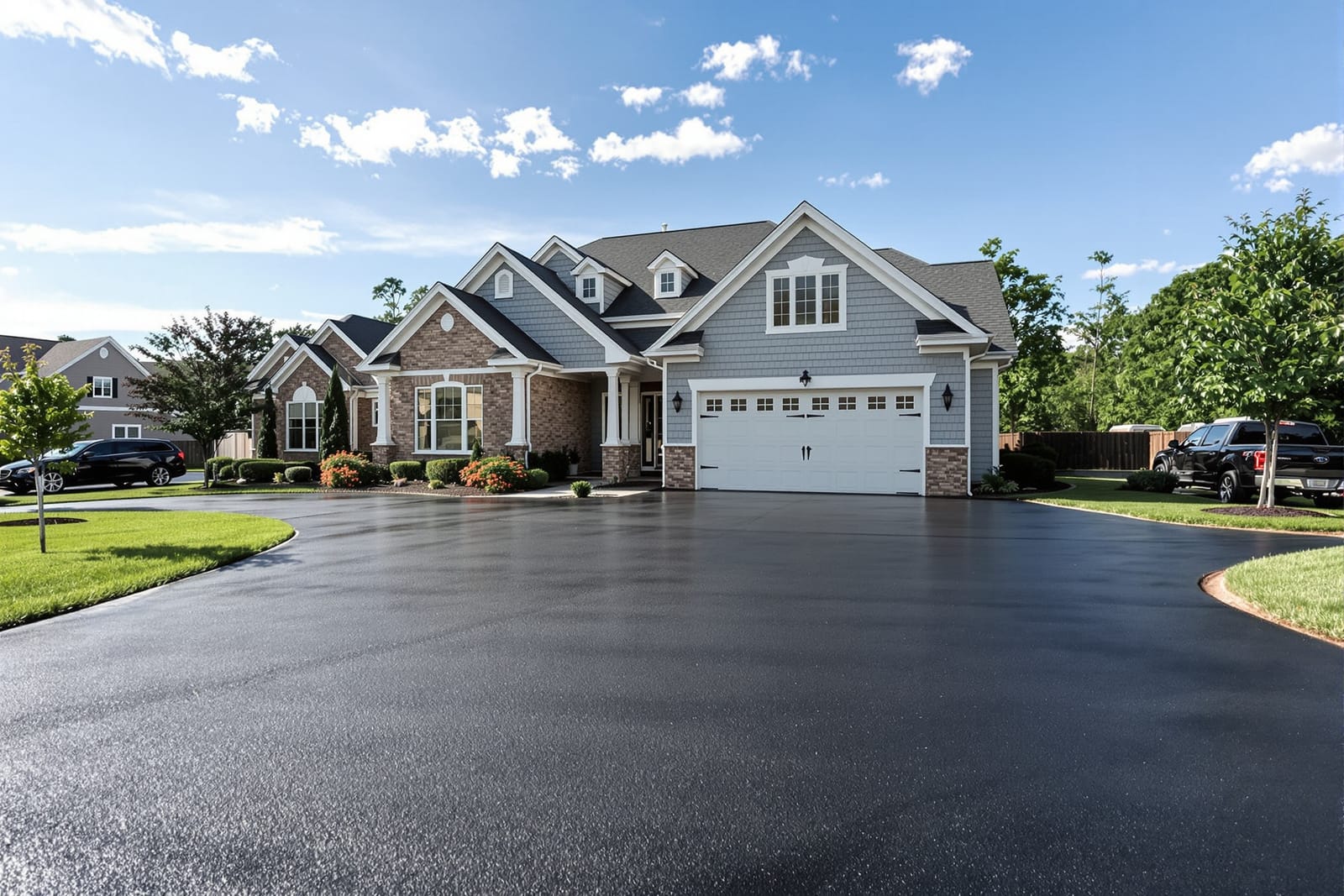
Our asphalt resurfacing in Tucson, AZ gives tired driveways a new life without full reconstruction. We repair major defects, then apply a smooth asphalt overlay that hides surface wear and improves appearance. This is an economical way to restore function and curb appeal when the base is still structurally sound.
Prestige Asphalt Tucson provides professional asphalt resurfacing throughout Tucson, AZ and the surrounding area. Our licensed, insured crew delivers safe, clean, on-time work with a free estimate before anything begins. Call (520) 462-7505 or request your free quote.
Asphalt Resurfacing in Tucson: When It Makes Sense and When It Does Not
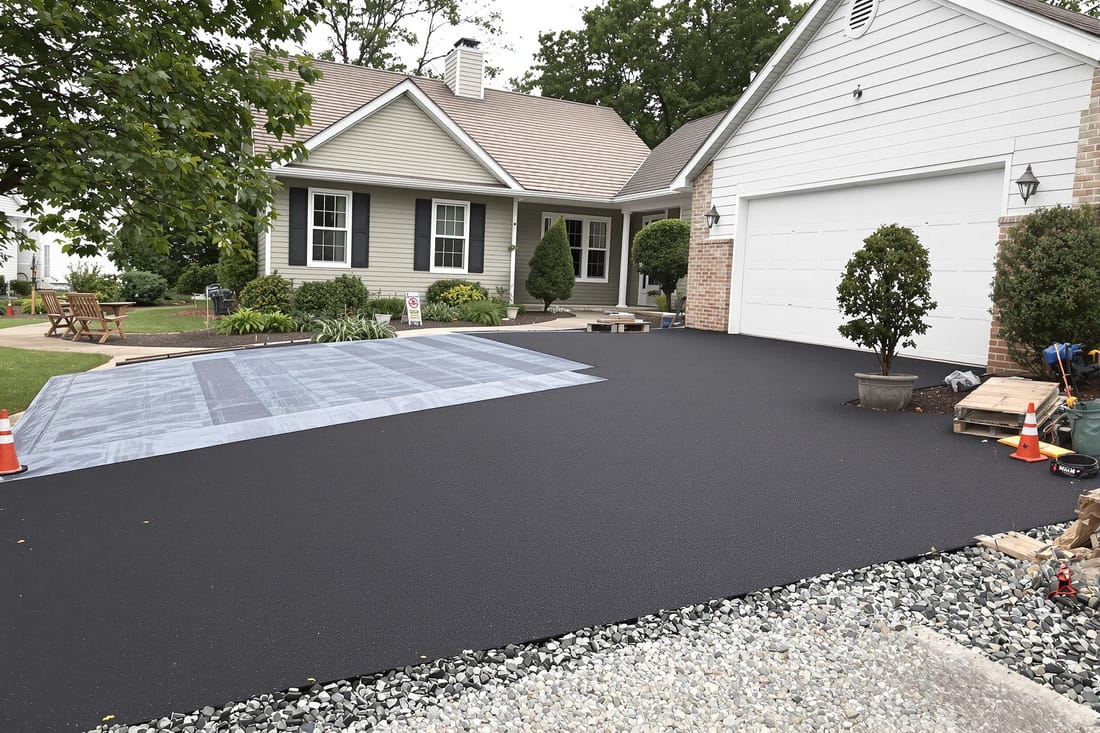
Asphalt resurfacing is the process of installing a new layer of hot mix asphalt over your existing pavement. It is a smart option when the surface is worn or cracked, but the base underneath is still solid. Prestige Asphalt Tucson focuses on resurfacing and overlays for parking lots, private roads, HOA streets, and commercial properties across the Tucson area.
Resurfacing is usually right for pavements that have widespread surface cracking, light rutting, or old sealcoat that is peeling, but are not alligatored from edge to edge. If you are seeing isolated potholes, moderate cracks, and faded striping, there is a good chance resurfacing will give you another 8 to 15 years of life without paying for a full tear out.
Resurfacing is not a cure for a failed base. If your pavement has deep depressions that hold water after every monsoon storm, or tires sink when heavy trucks drive through, overlaying fresh asphalt on top will not fix the real issue. In those cases, Prestige Asphalt Tucson cuts out the failed spots, repairs the base, then decides if resurfacing the rest still makes sense.
In Tucson, the hot, dry climate and intense UV exposure harden asphalt faster than in cooler regions. We see surface oxidation and top layer raveling well before the base fails. That is why resurfacing is often a cost effective middle ground for local property owners. It treats weather and traffic wear on top while preserving the underlying structure that is still doing its job.
How Prestige Asphalt Tucson Resurfaces Your Pavement Step by Step
A proper asphalt resurfacing job is more than just laying a new layer over the old one. Prestige Asphalt Tucson follows a defined process so the overlay bonds correctly and drains water the way it should.
First, we inspect and map the pavement. We walk the site, mark structural failures, soft areas, low spots, and drainage paths. If a section has severe base failure or alligator cracking, we plan a full depth repair in those spots before any overlay.
Next, we do milling and edge prep. In most overlays, we mill (grind) transitions at tie in points, like where your lot meets the street, sidewalk, approaches, or dumpster pads. This prevents a high lip that could catch bumpers or create a trip hazard. We also saw cut and clean the outer edges if the overlay will end at a clean edge instead of tying into another surface.
We then complete base and localized repairs. Any potholes are cut square and excavated down to solid base, then rebuilt with compacted aggregate and binder course asphalt. Soft areas or pumping spots are dug out to firm soil, then rebuilt to match surrounding depth. Resurfacing over unrepaired failures is the fastest way to ruin a new overlay, so this step is not skipped.
Once repairs cure, we clean and tack coat the surface. We sweep and blow the existing asphalt so it is free of dust, loose rock, and vegetation. Then we spray a uniform tack coat, an asphalt emulsion that helps the new layer bond tightly to the old one. A good tack coat keeps the layers from slipping and extends the life of the overlay.
Finally, we install and compact the new asphalt overlay. Depending on your traffic load and budget, we typically install 1.5 to 2.5 inches of hot mix asphalt. We use steel drum and pneumatic rollers in a specific pattern to reach target density, which is what gives you strength and smoothness. Joints are compacted carefully so you do not end up with seams that crack early.
To finish, we adjust utility covers, saw cut clean edges if needed, and stripe the lot or roadway once the asphalt has cooled. For most Tucson projects, light traffic can return within 24 hours, with heavy truck traffic waiting slightly longer for safety.
Material Choices and Overlay Design for Tucson Traffic and Heat
Not every overlay is the same thickness or mix. Prestige Asphalt Tucson sizes and designs your asphalt resurfacing based on how the pavement is actually used and how the Arizona climate affects it.
For light duty parking areas, such as office and retail lots with mostly passenger cars, a 1.5 to 2 inch overlay of standard hot mix is usually sufficient. For heavier use, such as delivery lanes, dumpster approaches, or drive aisles that see regular truck traffic, we increase thickness to 2 to 3 inches and may recommend a stronger mix. This often includes a higher quality aggregate and more asphalt binder so it stands up better to rutting and turning loads.
Tucson heat and UV exposure are major design factors. In summer, pavement temperatures often climb far higher than the air temperature. That can soften asphalt if the wrong binder grade is used, which leads to ruts and shoving at intersections or stop points. We select mixes appropriate for high pavement temperatures so your overlay does not deform every August.
Drainage also matters. When we resurface and raise the pavement by an inch or two, we check slopes so monsoon rain still sheds away from buildings and walkways. Sometimes this means spot milling low areas before overlay, or adding a small wedge overlay instead of a uniform thickness so water does not pool. In older lots that were never graded correctly, we may propose adding small valley gutters or reworking certain sections to correct long standing drainage issues.
We also consider surface texture. A good overlay should be smooth to drive on but still provide traction when wet. The aggregate size and rolling pattern influence this. For high pedestrian areas, we aim for an even texture that does not trap standing water but is not so coarse that carts or wheelchairs vibrate excessively.
What Drives the Cost of Asphalt Resurfacing in Tucson
Customers in Tucson often want to know why resurfacing bids vary. Prestige Asphalt Tucson breaks down cost drivers clearly so you can compare proposals fairly.
Total area is the biggest factor. Asphalt is sold by the ton, which translates to square footage at a given thickness. A 2 inch overlay over a whole shopping center lot requires considerably more material and trucking than a 1.5 inch overlay over a small office property.
Thickness of the overlay comes next. Adding just half an inch across a large area can mean many additional truckloads. While thicker is not always better, high traffic or truck routes often need the extra depth to avoid premature rutting.
Existing condition affects labor. If your lot needs extensive patching or full depth repairs before resurfacing, labor and material for those repairs will raise the price. A surface that is tired but structurally sound, with only minor prep work, will resurface more economically than one with deep base failures throughout.
Access and layout also matter. Wide open lots are faster and more efficient to overlay than tight properties with islands, landscape borders, and multiple small drive lanes. In some Tucson complexes, we must phase work around tenant hours or HOA traffic flow, which can add to mobilization and barricade costs.
Finally, timing plays a role. In peak paving season, material plants, trucks, and crews are in high demand. Planning ahead gives you more flexibility on scheduling and can help avoid last minute premiums. Prestige Asphalt Tucson provides itemized estimates so you can see exactly how square footage, thickness, and repairs influence your resurfacing cost.
Tucson Climate, Scheduling, and How Long an Overlay Really Lasts
Asphalt resurfacing in Tucson needs to be timed and managed with the local climate in mind. Prestige Asphalt Tucson generally recommends scheduling overlay work from late spring through early fall, when temperatures support proper compaction and curing. Ideal paving temperatures help the new asphalt achieve adequate density, which is critical for durability.
During the hottest weeks, we adjust start times. Early morning paving lets us place and compact the mix before surface temperatures become extreme, which can cause the mat to cool unevenly in shaded spots and open areas. During monsoon season, we watch forecasts closely and will not start overlay work if storms are likely to hit mid job, since moisture between layers can cause bonding problems.
A quality overlay in Tucson can typically last 8 to 15 years, depending on traffic and maintenance. Light use residential streets or HOA lots with regular sealcoating and prompt crack sealing usually see the longer end of that range. Heavy truck traffic, constant turning movements, or chemical exposure near industrial sites can shorten the life span.
Ongoing care is simple but important. We recommend sealing cracks as soon as they appear so water does not enter and weaken the base beneath your new overlay. Periodic sealcoating protects against UV and fuel spills, which slow oxidation. Re striping as needed keeps traffic flowing in the right paths and limits random turning that grinds away at corners and junctions.
We also coach property managers on simple inspections. Walking the pavement once or twice a year, especially after monsoon season, helps you catch new birdbaths, edge failures, or seam issues early. Addressing small problems before they spread is far less expensive than waiting until the entire surface shows distress again.
What to Ask Before You Hire an Asphalt Resurfacing Contractor in Tucson
Before you commit to an asphalt resurfacing project, it is worth asking some direct questions so you know you are comparing more than just bottom line prices. Prestige Asphalt Tucson encourages customers to demand clear, specific answers from any contractor.
Ask how they determined that resurfacing is appropriate. You should hear specific observations about your base condition, drainage, and crack patterns, not a generic statement that overlaying is always cheaper. If there are any areas that need full depth repair before the overlay, they should be pointed out and included as separate line items.
Request the proposed overlay thickness and mix type in writing. If one bid proposes a 1.5 inch overlay and another offers 2 inches, those are not the same job, even if the total prices are similar. You want to know what you are getting and why it was recommended for your traffic levels and Tucson climate.
Confirm that tack coat, edge milling, and joint treatment are included. These are easy steps for low quality crews to skip, and they directly affect whether your overlay will stay bonded and look clean at transitions. A thorough scope of work should mention cleaning, tack application, and proper rolling procedures.
Discuss schedule, phasing, and access. In busy commercial centers or gated communities, it is essential that the contractor proposes clear traffic control, staging, and communication with tenants or residents. In Tucson, knowing how they will adjust for heat and potential summer storms is also important.
Finally, ask about warranty and maintenance recommendations. A responsible contractor will be honest about what they stand behind, what normal wear looks like, and what simple maintenance steps will help you get the full life out of your new asphalt resurfacing project.